Equipment
Lines and machines for halva, bars, wafers, dragees and snacks
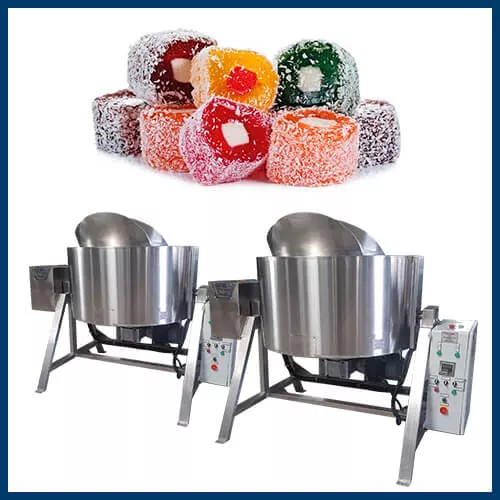
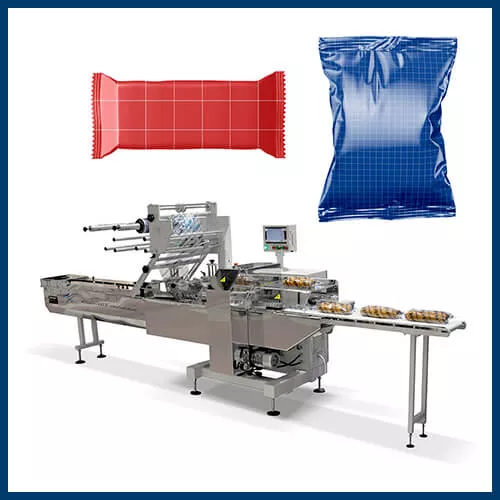
Kudret Makine equipment for roasting, forming, coating and raw-material preparation in this product group.
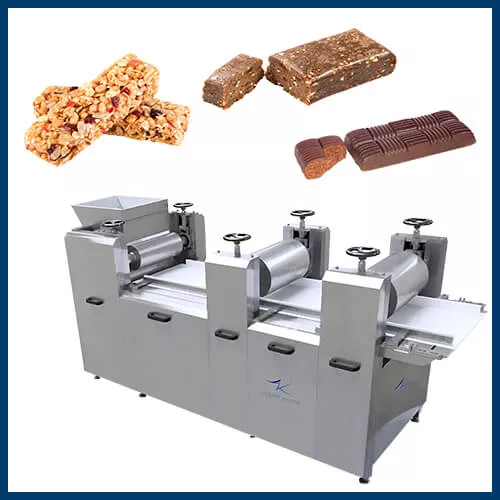


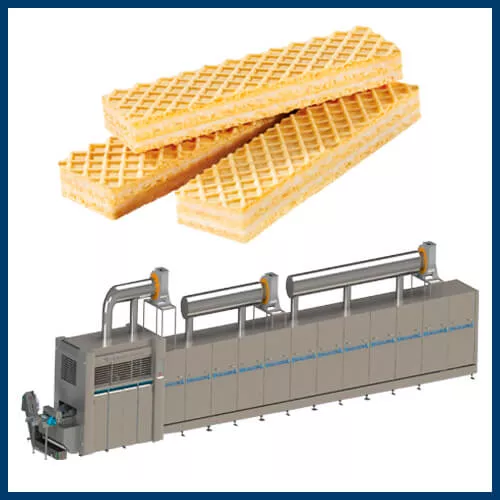


Topic · 6 guides
Back to guidesThese products share a root: nuts, seeds and cereals that have to be roasted right, bound together and kept crisp until they are packed.
Roasting sets flavour, colour and shelf life: a correctly roasted seed keeps for up to 12 months instead of 6, while an over-roasted one turns rancid within two. The product is then bound together: by tahini mass in halva, by syrup in a bar, by cream in a wafer or by coating layers in a dragee.
The sections start with roasting, because it is shared by most lines in this group, and then go product by product. Almost everywhere the bottleneck becomes cooling and packaging: a crisp product picks up moisture from the room if it waits on tables.
Belt speed, zone temperatures and layer thickness matter more than the rated oven output, which drops 20-30% on real product.
The fibrous structure of halva comes from the combination of syrup temperature, tahini and the pulling method.
A bar depends on its binding syrup and cutting; a wafer on the oven, the cream and a clean cut.
A coating pan builds the shell layer by layer, and layer consistency decides how the whole batch looks.
The main losses here are breakage and moisture. Hard transfers between conveyors break fragile products before packing, and 5% rejects on 100 kg of raw material add up to 100 kg lost over 20 shifts. Uneven roasting gives a batch where part of the product is burnt and part is under-dried.
A crisp product pays back not through line speed but by staying crisp until the bag is sealed.
Equipment
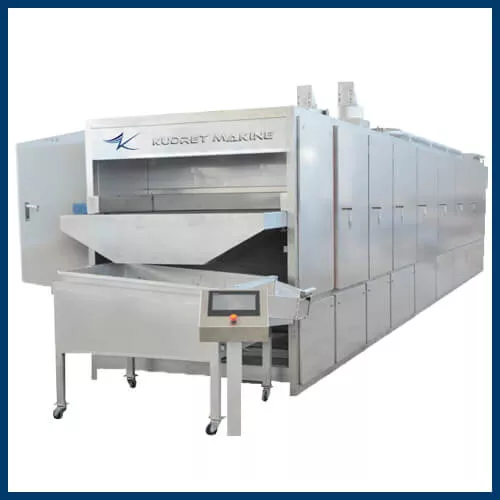
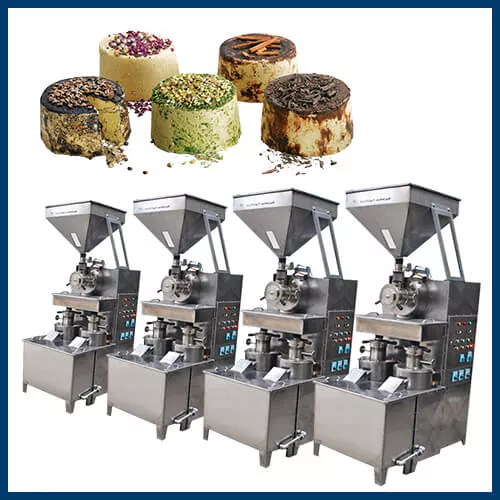
Kudret Makine equipment for roasting, forming, coating and raw-material preparation in this product group.
Topics
Topic
Kudret Makine engineers confectionery and food-processing lines to your real production task and ships directly from the manufacturer.
Get a consultation